Customs & Immigration Guide: Travel Documents Required for International Private Jet Passengers
Share this
Introduction
The convenience of flying privately is one of the main reasons people choose this mode of transport. You skip the crowded terminals, avoid long security queues, and depart on your own schedule. However, the legal requirements for crossing international borders remain the same whether you fly on a commercial airliner or a small jet. Being prepared ensures that your transition from the aircraft to your destination is as smooth as the flight itself. This blog explains the travel documents required for international private jet passengers to help you stay compliant with global immigration and customs laws.
Understanding the Basics of International Entry
Every person on a private flight must have a valid passport. This is the primary form of identification for any cross-border travel. While some domestic flights within regions like the Schengen Area in Europe may have relaxed rules, carrying a passport is always the safest choice. Most countries expect your passport to be valid for at least six months beyond your planned date of return. If your document is nearing its expiry date, it is wise to renew it before booking your trip.
Visas are the second most important part of your preparation. Depending on your nationality and your destination, you may need a visa to enter. Some countries offer visa-on-arrival or electronic travel authorisations. Others require a physical stamp from an embassy well in advance. Because your flight provider does not issue these, you must check the specific entry rules for your destination.
When you book a private jet to London, the UK Border Force will require specific information before you arrive. This information is usually submitted via a General Declaration form.
General Declaration and Passenger Manifesto
In private aviation, the General Declaration, or Gendec, is a standard document. It contains the aircraft details, the flight path, and a list of all passengers and crew members. Your flight operator or broker will usually handle the submission of this form to the relevant authorities.
You will need to provide your full legal name, date of birth, passport number, and nationality to the flight team. Providing this data early allows the crew to clear the flight with immigration departments before the wheels even leave the ground. By the time you land, the authorities already know who is on board. This pre-clearance is what makes the arrival process so much faster than commercial travel.
Specific Requirements for Common Routes
Different regions have different expectations. For example, if you are taking a private jet to Paris, you will land at an airport like Le Bourget. This airport is dedicated to business aviation and has its own dedicated customs and immigration officers.
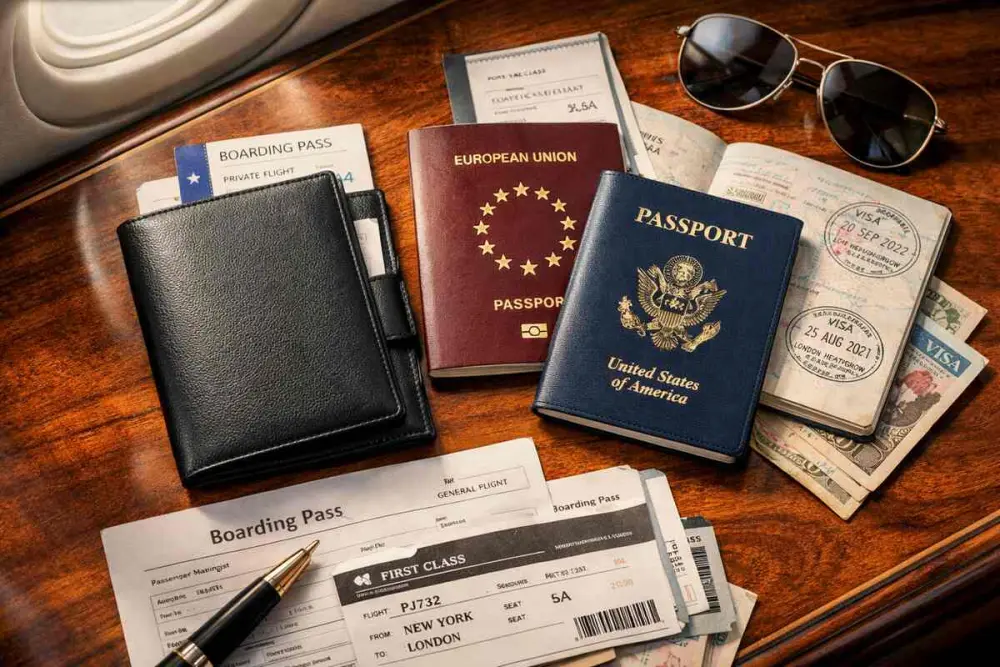
European travel usually falls under the rules of the country you first land in. If you are a non-EU citizen, you will need to ensure your passport is stamped upon entry to keep your stay within the legal limits allowed by your visa or visa-waiver programme. Always keep your documents handy when the aircraft doors open, as officers may choose to meet the plane on the tarmac or inside the Fixed Base Operator (FBO) lounge.
Travelling with Pets and Specialist Items
Many people choose private travel because it is more comfortable for their pets. However, animals require their own set of papers. This usually includes a pet passport, proof of vaccinations, and sometimes a blood test result or a microchip certificate. Each country has strict rules regarding the entry of animals to prevent the spread of diseases like rabies.

Similarly, if you are carrying large amounts of currency or expensive commercial goods, you must declare them. Most countries have a limit on how much cash you can carry without reporting it, frequently set around 10,000 Euros or the equivalent in local currency. Failing to declare these items can lead to delays or fines, even if you are using a private terminal.
Preparing for Longer Journeys
When you arrange a long range private jet charter, your journey might take you across multiple continents. This means you need to be aware of the transit rules of any country you stop in for fuel, as well as your final destination. Even if you do not plan to leave the airport, some nations require a transit visa for certain nationalities.
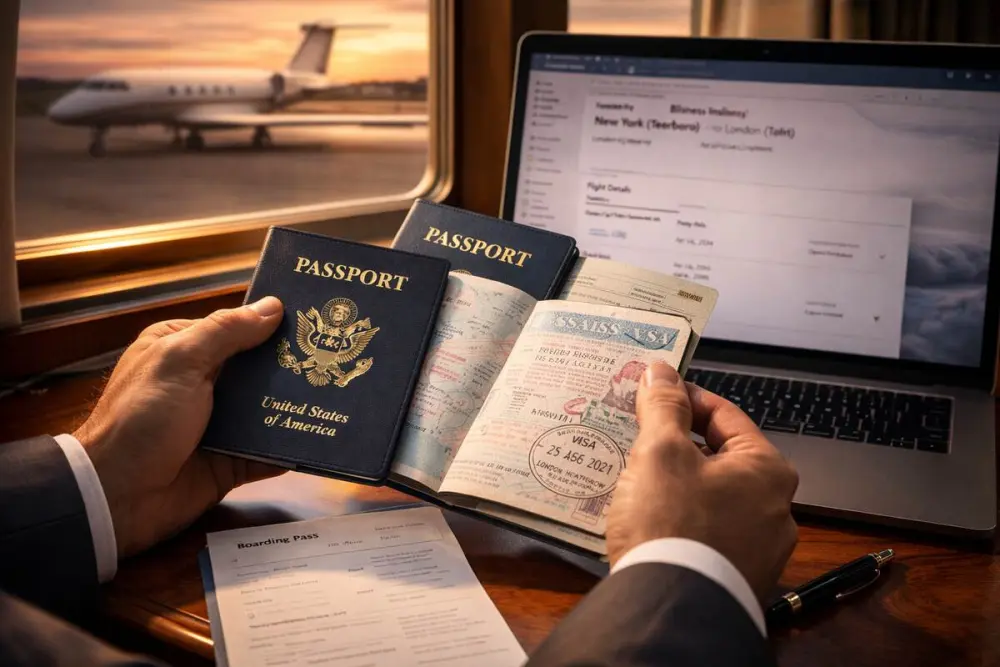
The travel documents required for international private jet passengers on these long trips should be organised in a way that they are easily accessible. Keeping digital copies on a secure device is a good backup, but immigration officers will always require the physical original documents to grant entry.
Customs and Duty-Free
Just because you are flying on a private aircraft does not mean you are exempt from customs duties. If you have purchased expensive items abroad, you are still subject to the same tax rules as any other traveller. The private terminal staff can help you find the correct forms to declare these items, and in some cases, they can help you process tax-refund documents for your luxury purchases.
Conclusion
While the paperwork side of travel might seem challenging, it is what makes the rest of your trip stress-free. By staying organised as well as providing your information early, you ensure that the only thing you have to focus on is your journey. Private aviation is designed to respect your time, and having your documents in order is the final step in making that happen.
Double-checking you passport and any required visas a week before you fly saves you from any last-minute stress. If you are ready to plan your next trip, get in touch with FlyRoving,