How to Fly on a Private Jet: Essential Insights for Luxury Travelers Before Takeoff
How to Fly on a Private Jet: Luxury Travel Guide | FlyRoving
Share this
Introduction
The shift from commercial flights to private travel is largely motivated by the need for faster, more efficient journeys. Commercial flying usually includes long security queues, terminal delays, as well as strict schedules that rarely fit into a busy life. When you look at how to fly on a private jet, you shift from being a passenger on a prearranged route to having control over the schedule. This change in perspective is the most important part of the shift.
Choosing the Right Way to Book
There are several ways to access an aircraft, and the right choice depends on how frequently you plan to travel. For those who fly more than 25 hours a year, the on-demand charter model might not be the best way to spend. Private jet memberships become valuable assets here. Memberships allow travellers to lock in fixed hourly rates as well as guarantee aircraft availability even during peak periods.
Nowadays, memberships have become more flexible. For example, FlyRoving offers different membership programmes. By choosing a membership, you can ensure that an aircraft is available even during high-demand peak periods. It provides predictability in the travel budget that is very difficult to find on the open charter market. If you need a plane once or twice a year for a special family holiday, on-demand charter remains an attractive option. You simply pay for the flight you need and have no further obligations to the company.
Understanding the Aircraft Categories
One common mistake for newcomers is assuming that all private jets are the same. Planes are classified by their size and flying range. Choosing the right category depends on your passenger count and destination.
Very Light Jets (VLJs)
These are entry-level aircraft, perfect for short trips under two hours. They usually seat four to five people and are extremely efficient for regional trips.
Light Jets
A step up in size, these can fly for three hours. They offer more luggage space and usually have a small enclosed lavatory.
Mid-size and Super-mid-size Jets
These aircraft provide a taller cabin as well as more comfortable seating. They are the best choice for cross-country routes, such as a private jet from Houston to New York, where you want to move around the cabin freely.
Heavy Jets
These are the largest aircraft capable of long-distance travel. They can seat up to 16 passengers and include separate rooms for dining or sleeping.
Essential Pre-Takeoff Checklist
Before you head to the airport, there are a few practicalities to remember. Private travel is simple, but preparation ensures convenience.
Submit Your ID Early: Provide your passport or driving licence details to your broker or operator well in advance so they can complete the document.
Confirm Your Tail Number: Your flight itinerary will include a tail number. It helps the FBO staff guide you to the right aircraft by giving you a unique identifier for it.
Check the Luggage Capacity: If you are bringing bulky items, please ensure the aircraft hold is large enough. Hard-shell suitcases can be difficult to fit into smaller jets.
Special Requests: If you have specific dietary needs or want a specific type of beverage on board, let your team know at least 48 hours before takeoff.
The Role of the FBO
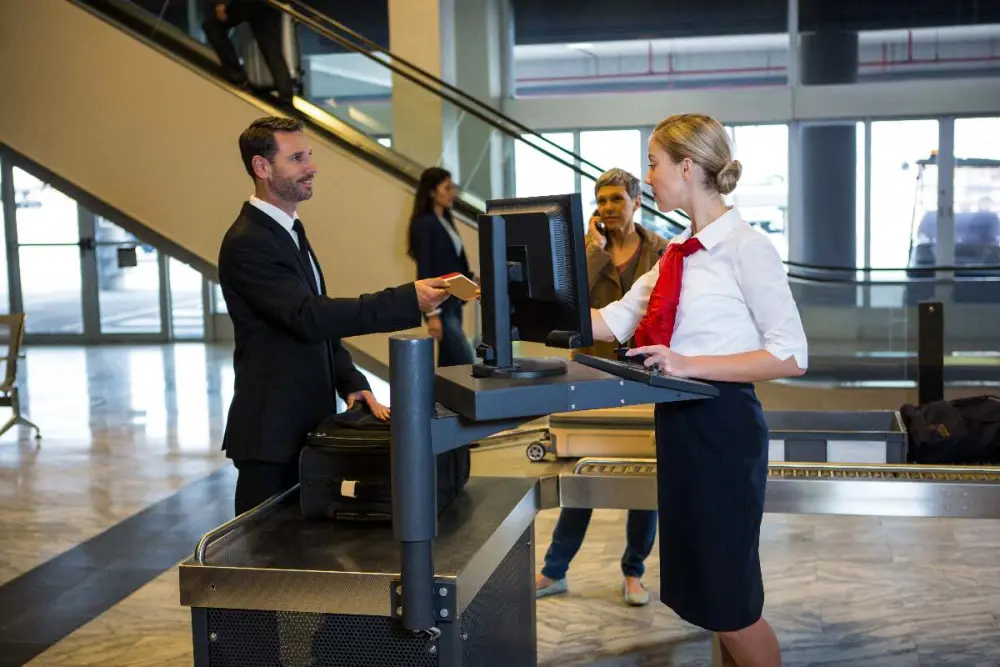
When you fly private, you do not go to the main airport terminal. Instead of that, you go to a Fixed Base Operator, or FBO. This is a private terminal located on the airport's edge. It is a quiet and comfortable space where pilots meet you in the lounge. There are no crowds or noise like in a commercial airport.
FBO efficiency is one of the main reasons people choose private travel. You have to arrive only 15 to 20 minutes before your departure time. You show your identification to the staff, your luggage is taken directly to the plane, and you walk across the tarmac to board. This ease of movement makes a private jet to San Francisco a better experience than dealing with commercial hub chaos. It turns a stressful travel day into a simple transition.
Managing Luggage
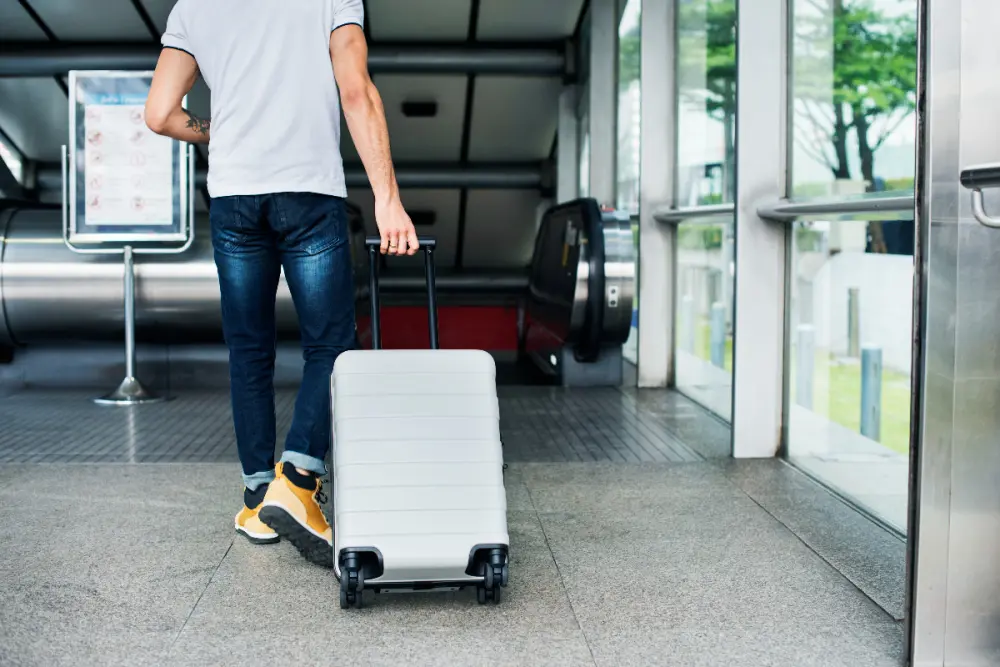
It is important to understand that private jets have specific weight and balance requirements. Compared to a large commercial airliner, a private jet has a smaller luggage hold. If you are taking a light jet, you may be restricted to soft-sided bags that can easily fit into the hold. Hard-shell cases can be difficult to pack into smaller compartments.
If you are planning flights from Houston to Jackson Hole WY for a skiing trip, you must let your advisor know in advance about bulky items like skis or snowboards. The company will ensure that the specific aircraft assigned to your flight has the necessary space and weight capacity. Being clear about your baggage needs early avoids delays on your flight day.
Onboard Catering and Personalisation
One of the highlights of private aviation is the ability to choose what you eat and drink. Standard catering usually includes high-quality snacks, sandwiches, and beverages. However, you can request almost anything you like. If you want a specific brand of water or a meal from your favourite restaurant, it can be arranged in most cases.
Because most private jets do not have full kitchens, food is prepared by specialist ground caterers and brought on board. It is then kept at the correct temperature and served by the crew. This level of personalisation ensures that you can maintain your diet or enjoy a celebratory meal while in the air.
Pets and Family Travel
For many travellers, flying with pets is the deciding factor for private aviation. In most cases, your pets can sit in the cabin with you rather than in a crate in the hold. This reduces stress for the pet and owner. Most private jets are pet-friendly, though it is always necessary to mention your pets during the booking process to ensure the owner of the aircraft approves.
Private travel also changes family trips. You have privacy to talk freely, and children can move around without disturbing other passengers. The entire cabin is yours. This privacy is a primary reason why people look into how to fly on a private jet when they have a large group to move. You are buying the use of the entire aircraft, regardless of whether there is one passenger or ten.
Arrival and Ground Transport
Your advisor can also arrange for ground transport to wait on the tarmac as you arrive. In many private terminals, your car can be driven right up to the plane. Your luggage is moved directly from the hold to your vehicle, and you can be on your way to your final destination within minutes of landing.
This level of integration is what makes private travel so effective for business. If you have a meeting in the city centre, you can be in your car and moving while commercial passengers are still waiting for their bags to appear on a carousel.
With arrival and ground transport, you can make this an effortless process that treats travel as a connecting point between two points rather than a hurdle to overcome.
Conclusion
Learning the logistics of private aviation helps you make better choices. By selecting the right aircraft and the most suitable booking model, you can ensure that every trip is efficient as well as comfortable. Whether you are moving between states for business or taking the family for a trip, the focus is always on your schedule. Private aviation is a tool that allows you to manage your time with better results.
If you are ready to experience a more direct and reliable way to travel, FlyRoving is here to assist. Contact our team to know about upcoming flight requirements and more.