Private Jet Safety Explained : How FlyRoving Ensures Safety and Reliability in Every Charter Flight
Share this
Introduction
Choosing to fly privately usually starts with an urge to save time or to be more comfortable. As soon as the excitement of a personalised itinerary settles, passengers naturally turn to the technical side. How do we know that these small aircraft are as reliable as the large commercial ones we see at major airports? FlyRoving understands that travel safety is the first step to relaxing before boarding.
Strict Regulatory Frameworks
Safety in the aviation world is built on clear rules. These are not suggestions but legal requirements that operators must follow. In the United Kingdom, the Civil Aviation Authority (CAA) oversees these standards. In the United States, the Federal Aviation Administration (FAA) is the governing body. Both organisations have high expectations of anyone who wants to fly passengers for money.
Private aircraft used for personal use have a set of rules. A charter jet has another, much stricter set. This second category requires an Air Operator Certificate (AOC). To hold this certificate, a company must prove it has the right staff, the right maintenance schedules, as well as the necessary insurance. FlyRoving only works with operators who hold valid certificates. This means that the aircraft you board is held to the same high legal standards as a large commercial airliner.
Maintenance and Mechanical Integrity
Getting reliable results comes from constant inspection. Instead of a road vehicle, which is checked once a year, a jet undergoes various levels of inspection. These are usually called checks, and they range from simple walk-arounds to deep mechanical teardowns.
• Pre-flight inspections
Pilots and mechanics inspect the airframe, engines, and tyres before taking off to ensure everything is working properly.
• Hourly inspections
After a specific number of flight hours, the plane is also taken into a hangar for a detailed inspection of its internal systems.
• Calendar inspections
Even if a plane has not flown for many hours, it is inspected based on the date. This is to ensure the parts have not aged or corroded.
Engineers use digital tracking systems to record every part of the aircraft. If a single component is replaced, the aircraft cannot be cleared for flight. This level of monitoring ensures that mechanical issues are handled long before they interfere with a trip.
Expertise of the Flight Crew
One common misconception is that private pilots are less experienced than those flying major airlines. In fact, many pilots who handle private jet flights Houston or London routes are senior captains from major carriers.
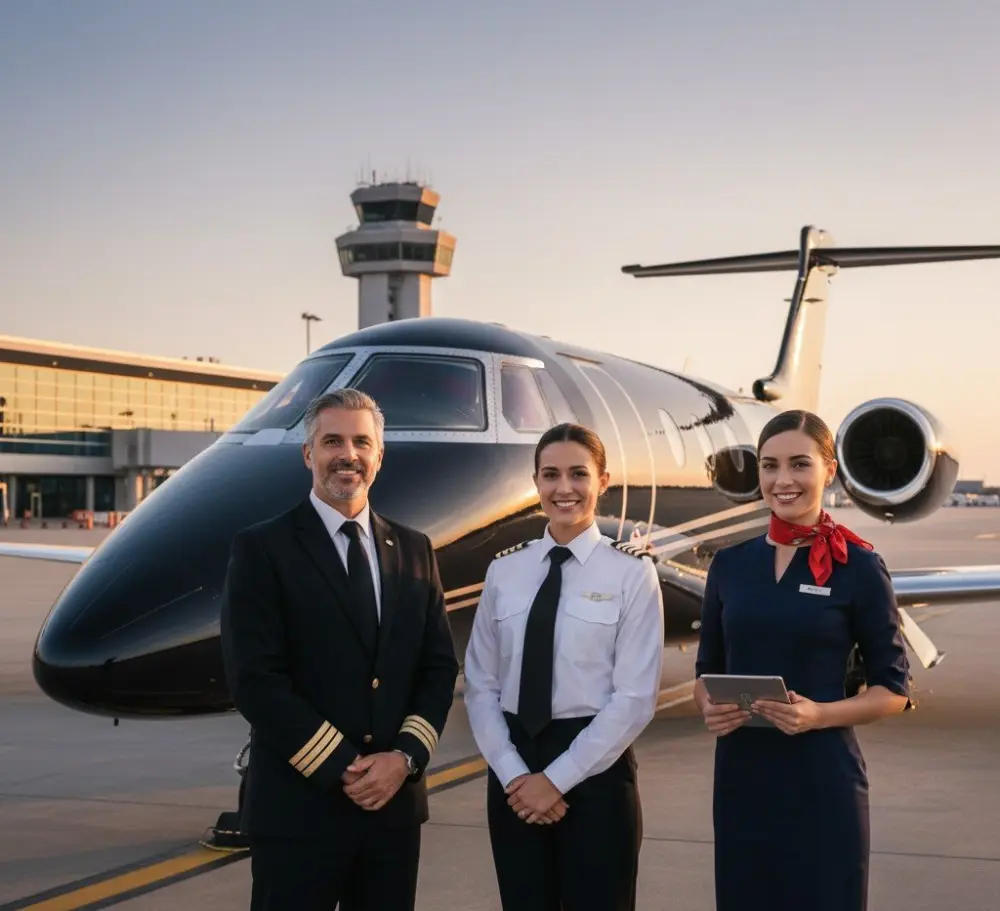
To fly for a charter operator, a pilot must have thousands of hours of experience. They also need a type rating for the specific aircraft they are flying. This means a pilot who flies a Global 6000 is an expert on that specific model, rather than just a general pilot. Every six months, these crews return to a simulator. They practice handling extreme weather and unexpected mechanical events. Regular training keeps their skills sharp and reactions fast.
Pilots are trained to make conservative decisions. If the weather looks questionable or a minor sensor gives an odd reading, they can delay the flight. This culture of caution is central to private jet safety.
Choosing the Right Partners
FlyRoving acts as an expert bridge between you and the most experienced operators in the world. This gives us the freedom to be very picky. If an operator does not meet our internal safety checklist, we do not use them. We look beyond the basic legal requirements. We prefer to work with companies with third-party safety ratings from trusted organisations.
By selecting only leading partners, FlyRoving adds protection to your travel plans. We handle the background checks so you do not have to worry about the plane or crew history.
Difference Between Commercial and Private Safety
It is a common myth that small planes are less safe than large ones. Statistics show that the safety record for managed charter flights is comparable to that of major scheduled airlines. The main difference lies in the flexibility of the flight.
A commercial airliner has to stick to a specific path and schedule regardless of individual passenger needs. A private charter can adapt. If a specific airport is experiencing heavy fog, your pilot can reroute to a nearby landing strip with better visibility. This ability to adapt to the environment is a major advantage when it comes to maintaining a secure flight path.
Local Operations
For those looking for private flights Houston, the regional infrastructure is excellent. The area has several dedicated executive airports designed specifically for smaller aircraft. These facilities are usually less congested than major hubs like Hobby or George Bush Intercontinental.
Lower congestion means air traffic controllers can give more individual attention to each flight. It also means less time spent idle on a taxiway, which reduces the wear and tear on the aircraft engines.
Whether you are booking semi private flights from Houston or a full charter to another continent, the local expertise of the ground crews and operators in the region contributes to the overall reliability of your journey.
Modern Navigation and Communication
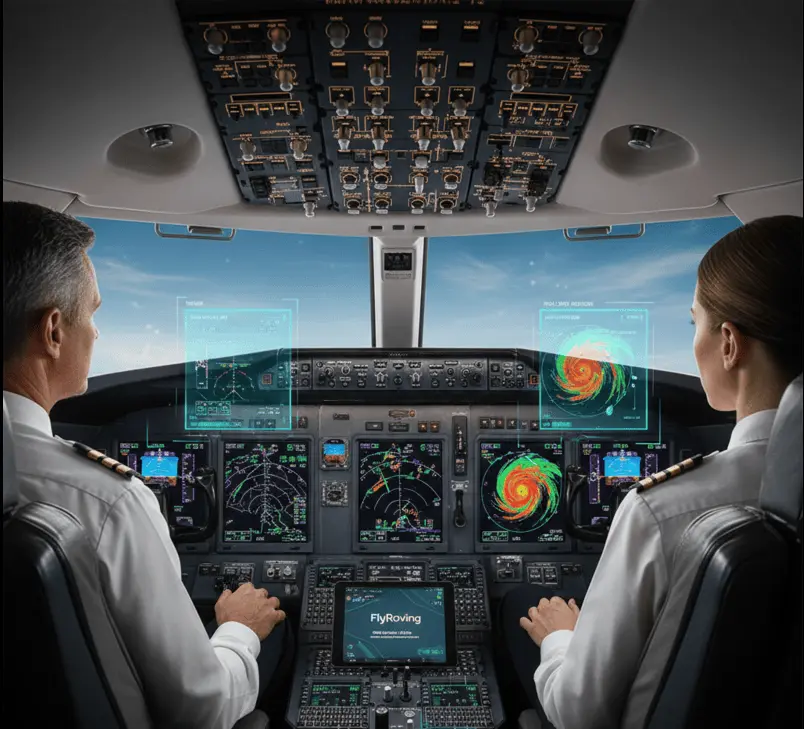
The technology inside modern private jet is very advanced. A modern flight deck provides pilots with a clear view of everything around them. This includes:
• Terrain mapping: Pilots can see mountains and obstructions on their screens even if they fly through thick clouds.
• Traffic avoidance: When another aircraft gets too close, the crew is notified and instructed on how to maintain distance.
• Real-time weather: High-resolution radar shows exactly where storms are located, allowing the crew to fly around turbulence.
This technology helps crews make better decisions. Instead of reacting to a situation, they can plan for it minutes or even hours in advance. Private jet safety requires planning. When pilots have the best tools, they can ensure that the ride is as smooth and steady as possible.
Safety is also about communication. FlyRoving keeps a direct line of contact with the flight coordinators and the crew. If there is a weather change or a technical update, we are informed immediately. We then pass that information on to you.
We believe transparency is part of private jet safety. If a flight needs to be moved thirty minutes to avoid a passing rainstorm, we explain why. Being informed helps passengers feel like part of the process rather than just cargo.
Transparency
Feeling secure is about knowing what is happening. We try to keep our communications direct and simple. If there is a change in your flight plan due to the weather, you will be notified and told why and how to fix it. We avoid complicated terms as well as focus on clear updates.
Transparency builds trust. When you know that we monitor the weather and aircraft status in real-time, the risk disappears from the process. Private jet safety is improved when everyone is on the same page. We act as your advocate and ensure every detail of the trip is handled correctly by operators and ground staff.
Conclusion
Safety is not a set of features. When it comes to private jet safety, it is an approach that starts with the flight booking and ends with the mechanic checking the tyres. By maintaining high standards for our partners and staying transparent with our clients, FlyRoving ensures every trip is reliable.
When you fly with us, you are not just renting a plane. You are hiring a team of experts who have already checked every detail. From the pilots’ credentials to the aircraft’s maintenance history, we handle the complexities so you can enjoy the journey.