The Real Aircraft Size Impact on Charter Cost: From Light Jets to Ultra-Long-Range Aircraft
Share this
Introduction
Choosing a private aircraft is not about how many people it can seat. It involves a balance between distance, comfort, and financial reality. The weight, engine type, and wingspan of a plane impact the price you pay for every hour in the air. Understanding the aircraft size impact on charter cost helps you select a travel option that makes sense for a specific journey. This is without overspending on unnecessary space.
Why Size Impacts Price
A larger aircraft requires more fuel to take off and stay at altitude. It also requires more maintenance and a larger crew. Even when the plane is sitting on the tarmac, a larger wingspan usually results in higher parking fees at the airport. These factors, combined, create a tiered pricing structure that scales with the cabin's dimensions.
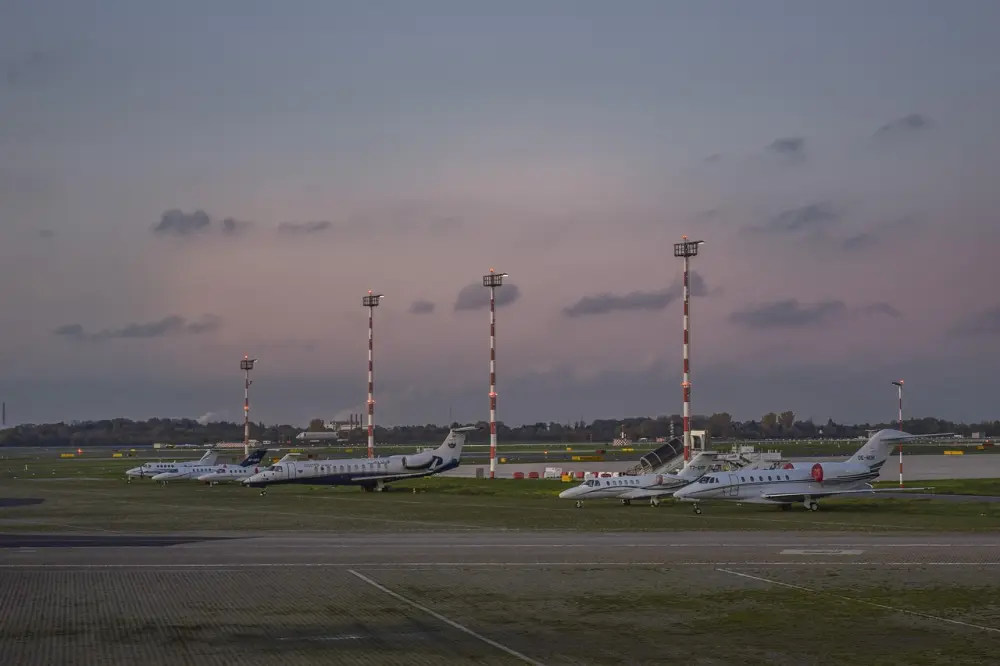
Turboprops: The Starting Point for Short Hops
Turboprops are frequently overlooked by those new to private aviation, but they are very efficient for short distances. These aircraft use a propeller engine, which is usually more fuel-efficient than a jet engine at lower altitudes and shorter ranges.
When you look at the turboprop charter rates, you will notice they are generally the lowest in the market. They are perfect for hops between cities an hour or two apart. Because they are lighter and can land on shorter runways, they can reach smaller airfields that larger jets cannot access. This saves you time on the ground by getting you closer to your final destination. However, the trade-off is usually a smaller cabin and more noise than a jet.
Light Jets and the Shift to Speed
Light jets are the next step up. They offer more speed and a quieter environment than turboprops. These planes typically carry six to seven people comfortably. While they are faster, they consume more fuel, which is a key factor in the aircraft size impact on charter cost.
For a business trip across a country, a light jet provides a balance of efficiency and comfort. The cabin height is usually lower than in larger models, so most adults will need to crouch slightly to reach their seats. If your flight is under three hours, this is rarely an issue, but it is a factor to consider if you prefer more room to move around.
Mid-size and Super Mid-size Jets
As we move into the mid-size and super mid-size categories, the cabin experience changes. These aircraft are designed for longer transcontinental journeys. You will find more luggage space and, in many cases, a proper galley for hot food service.
A super mid-size jet offers a stand-up cabin, which is a major comfort upgrade for longer flights. These planes can fly faster, but they also require more sophisticated airport services. This is where hourly rates increase over time, as the engines are more powerful and the airframe heavier.
Heavy Jets for Larger Groups
When you need to accommodate a larger group, you move into the heavy jet category. If you are searching for a private jet 10 passengers can use comfortably, this is your top choice. These aircraft are built for long-haul travel, allowing them to cross oceans without stopping for fuel.
Heavy jets come with a wider cabin and a full-time flight attendant. The plane's extra weight and additional staff contribute to the higher price point. You are paying for the ability to move a large group through a space that feels like a flying lounge. The luggage capacity is also considerably larger, making these ideal for sports teams or families travelling with a lot of gear.
Ultra-Long-Range Aircraft
Private aviation's pinnacle is the ultra-long-range jet. These are the machines used for twelve-hour flights. When you book a long-range private jet charter, you access technology that allows for non-stop travel from London to Los Angeles or Tokyo.
These aircraft have the most advanced engines and the largest cabins. They are designed to minimise fatigue, with lower cabin altitudes and better air filtration systems. Because they are so large and heavy, their hourly operating costs are at the top of the scale. You are paying for the convenience of skipping fuel stops and the luxury of having separate zones for working, dining, and sleeping.
Additional Factors Influencing Cost
Beyond the size of the cabin, a few other elements related to the plane’s physical build affect your bill:
• Landing Fees
Airports charge based on the plane's maximum takeoff weight. A heavy jet pays much more to land at Heathrow than a light jet.
• Hangar and Handling
Larger planes require more ground crew and bigger hangars, which increases the handling fees passed on to the customer.
• Crew Requirements
Smaller planes can be flown by two pilots, but larger jets on long missions may require a third pilot or multiple flight attendants.
• Fuel Burn
A heavy jet can burn three to four times more fuel per hour than a small turboprop.
The aircraft size impact on charter cost is visible in every part of the invoice. By matching the plane to the number of passengers as well as the trip distance, you avoid flying a half-empty heavy jet on a short route.
Conclusion
Finding the right balance between comfort and cost is easier when you have the right information. Whether you need a quick flight across the country or a long-haul journey to another continent, choosing the correct aircraft size is the most effective way to manage your travel budget.
If you are ready to see how these options look for your next journey, you can find detailed information and request a quote at FlyRoving. We help you navigate the various aircraft types to ensure your flight is exactly what you need.