Understanding Private Jet Charter Cost in 2026
Share this
Introduction
Private jet travel offers unmatched convenience, but understanding the pricing structure can feel complicated. Private Jet Charter costs vary significantly based on aircraft type, route, timing, and additional services. This guide breaks down everything you need to know about private charter costs, helping you make informed decisions about your next flight.
Aircraft Type: The Foundation of Your Charter Cost
The aircraft you select directly impacts your overall charter expense. Each category offers distinct capabilities and comfort levels.

Light Jets typically seat 6-7 passengers and cost between $3,000 and $5,000 per flight hour. These jets work well for shorter regional trips and small groups. The Phenom 300 and Citation CJ3 exemplify this category's efficiency.
Midsize Jets accommodate 8-9 passengers and range from $5,000 to $8,000 per flight hour. These aircraft balance comfort with performance, making them ideal for cross-country travel. The Hawker 800XP offers reliable service on routes like private jet to Houston destinations.
Heavy Jets carry 8-12 passengers with hourly rates between $8,000 and $15,000. These aircraft provide transcontinental range and premium amenities. The Gulfstream GIV delivers exceptional comfort for longer journeys.
Turboprops serve as a budget-friendly option at $1,500 to $2,500 per flight hour. With 4-8 seats, aircraft like the King Air 200 excel on shorter regional routes where jet performance isn't required.
Size, range, and fuel consumption all influence pricing. A heavy jet burns significantly more fuel than a light jet, while extended range capabilities command premium rates.
Flight Hours and Minimum Requirements
Charter operators bill based on flight hours, but understanding the details helps avoid surprises. Most charters enforce minimum flight time requirements, typically 2 hours, even for shorter trips. This ensures operators cover their fixed costs.
Crew duty limits also affect pricing. Federal regulations restrict how long pilots can fly without rest. Multi-day trips or extended international flights may require crew accommodations, adding to your total cost.
Distance, Route, and Regional Factors
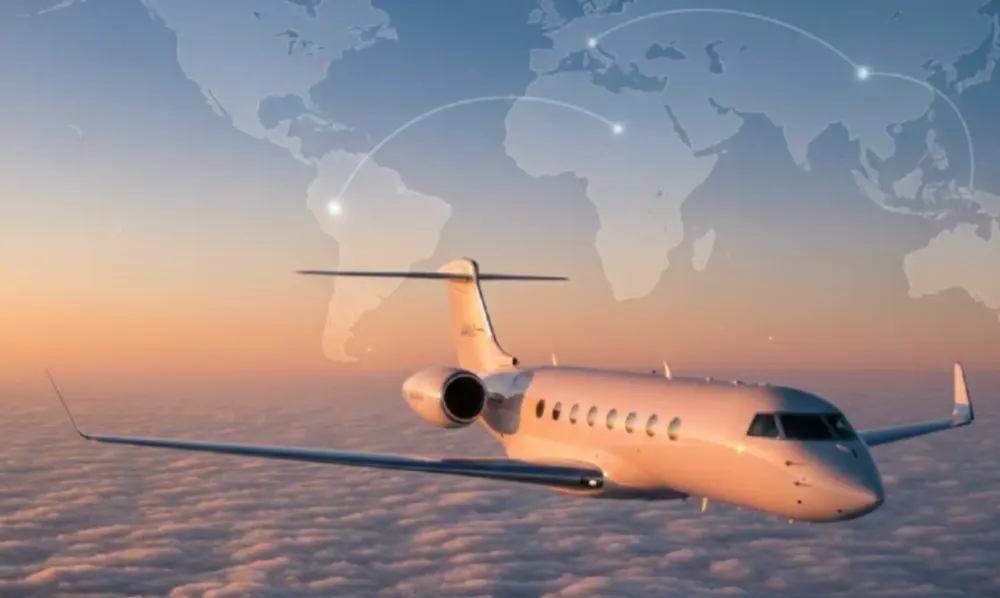
Domestic flights generally cost less than international charters due to simpler logistics. International travel requires overflight permits, which vary by country and add administrative fees.
Landing fees differ dramatically by airport. Busy hubs like Teterboro Airport in New Jersey and Van Nuys Airport in California charge premium rates due to high demand and limited slots. Smaller regional airports often provide more affordable alternatives.
Route complexity matters too. Flying from Houston to Telluride involves mountainous terrain and a high-elevation airport, requiring specialized aircraft performance and experienced pilots, which influences the final quote.
Airport and Operational Fees
Beyond the hourly rate, several airport-related costs apply to every flight:
Landing fees cover the cost of using airport facilities and vary by aircraft weight and airport size. Handling fees paid to Fixed-Base Operators (FBOs) include services like fueling, marshaling, and terminal access. Premium FBOs at major airports charge more but offer superior amenities.
Parking charges accumulate when your aircraft sits at an airport, particularly during multi-day trips. De-icing becomes necessary during winter months in cold climates, adding seasonal costs. Overnight crew accommodation factors into multi-day itineraries when pilots need rest between flights.
Fuel Prices and Market Conditions
Global fuel prices fluctuate, directly affecting charter costs. When jet fuel prices spike, operators adjust their rates accordingly. Seasonal demand also plays a major role. Holiday periods, major sporting events, and peak travel seasons drive prices up as aircraft availability decreases.
Off-peak pricing offers opportunities for savings. Flying during weekdays or outside holiday windows typically yields better rates than weekend departures during busy seasons.
Additional Cost Factors
Charter pricing goes beyond the base hourly rate. Several optional services can enhance your experience:
Catering upgrades range from basic snacks to gourmet meals prepared by top chefs. In-flight Wi-Fi keeps you connected at 40,000 feet. Pet accommodations allow your furry companions to travel in the cabin with you. International customs services streamline border crossings. Ground transportation coordination ensures seamless transfers between airport and the destination.
Empty Legs: Smart Savings on Private Charter
Empty leg flights represent one of aviation's best-kept secrets for cost savings. These flights occur when an aircraft needs to reposition without passengers, either returning to its home base or moving to pick up the next charter client.
Operators offer these empty leg flights at discounts of 30-70% off standard charter rates. The catch? You need flexibility. Departure times and dates are fixed, and cancellations happen if the operator's plans change.
For travelers with adaptable schedules, empty leg flights provide exceptional value. A private jet to Houston that normally costs $20,000 might be available as an empty leg for $7,000.
Pricing Models: How You Pay for Private Aviation
Private charter offers multiple payment structures. On-demand charter lets you book flights as needed with no upfront commitment. You pay for each flight individually, offering maximum flexibility but no guaranteed availability during peak periods.
Jet cards require prepaid hours on a specific aircraft type, typically 25-50 hours. They guarantee availability and lock in hourly rates, protecting you from market fluctuations.
Subscription models charge monthly or annual fees for flight access, though these often include minimum usage requirements.
FlyRoving specializes in straightforward on-demand charter without requiring deposits or upfront commitments. You only pay for the flights you book, maintaining complete control over your travel budget.
Private vs Commercial: When Does Charter Make Sense?
Time represents the most valuable commodity in business. A commercial flight from Houston to a mountain destination like Telluride requires connections, lengthy layovers, and ground transportation totaling 8-10 hours. A private charter completes the same journey in under 3 hours, door-to-door.
For groups of 6-8 travelers, private charter becomes cost-competitive with first-class commercial tickets when you factor in time savings and productivity. Teams can conduct meetings in flight, arrive refreshed, and maximize their time at the destination.
Transparent Pricing with FlyRoving
FlyRoving eliminates pricing confusion through complete transparency. Unlike some brokers that add hidden markups, FlyRoving provides direct operator pricing with a clear cost breakdown. You see exactly what you're paying for, from base hourly rates to airport fees.
Dedicated charter advisors guide you through aircraft selection and route planning, ensuring you get the best value for your specific needs. Whether you're booking a private jet to Houston or exploring empty leg flights, the team provides personalized service without pressure or hidden fees.
Is a Private Charter Worth the Investment?
Private aviation delivers value beyond the ticket price. You control departure times, skip security lines, and access thousands of airports unavailable to commercial airlines. Your time becomes your own again.
For business travelers, the ability to conduct confidential meetings in flight and arrive ready to work justifies the premium. Families appreciate the convenience and comfort, especially when traveling with children or pets.
Ready to experience the difference? Request a custom quote from FlyRoving today and discover how transparent pricing and exceptional service make private charter accessible. Contact the team at (832) 820-7101 or joel@flyroving.com to start planning your next journey.